存在之光的物質拓撲:李佳玲(Lee, Jia-Ling)《彼岸·心》於國立新美術館之本體論實踐
—— 評析 165 公分壓克力鉅作:從西洋畫技法層疊到西方存在哲學的跨時空對話
策劃・撰文 / 王穆提(WANG MUTI)
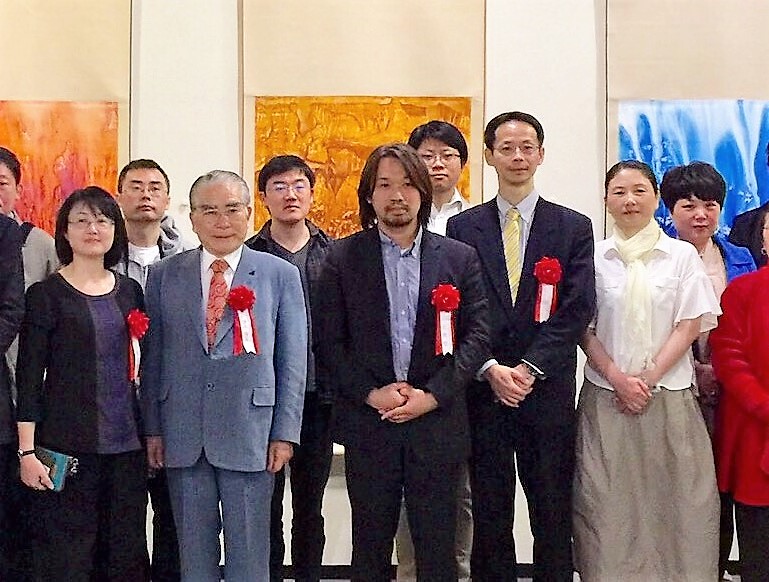
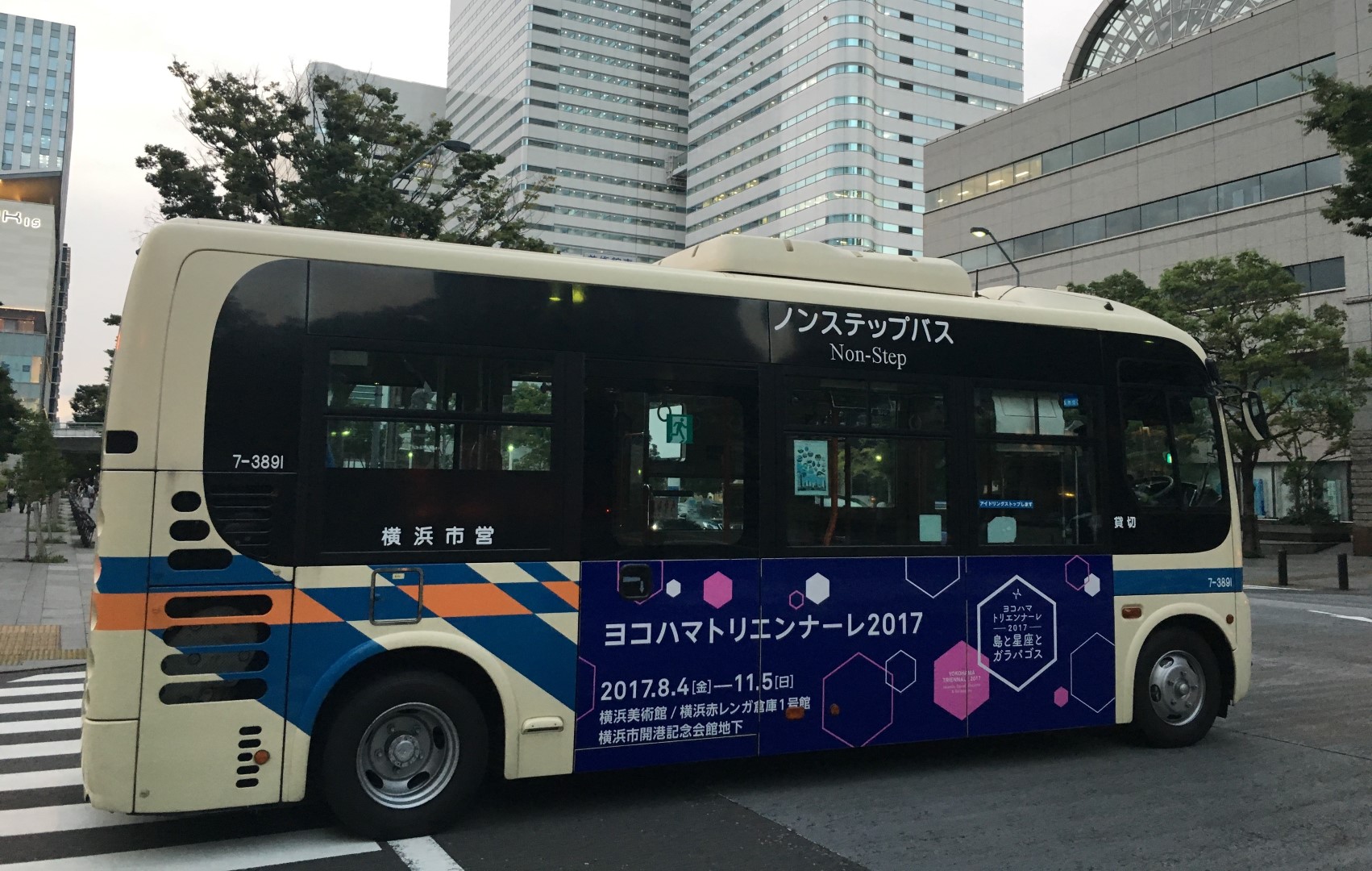
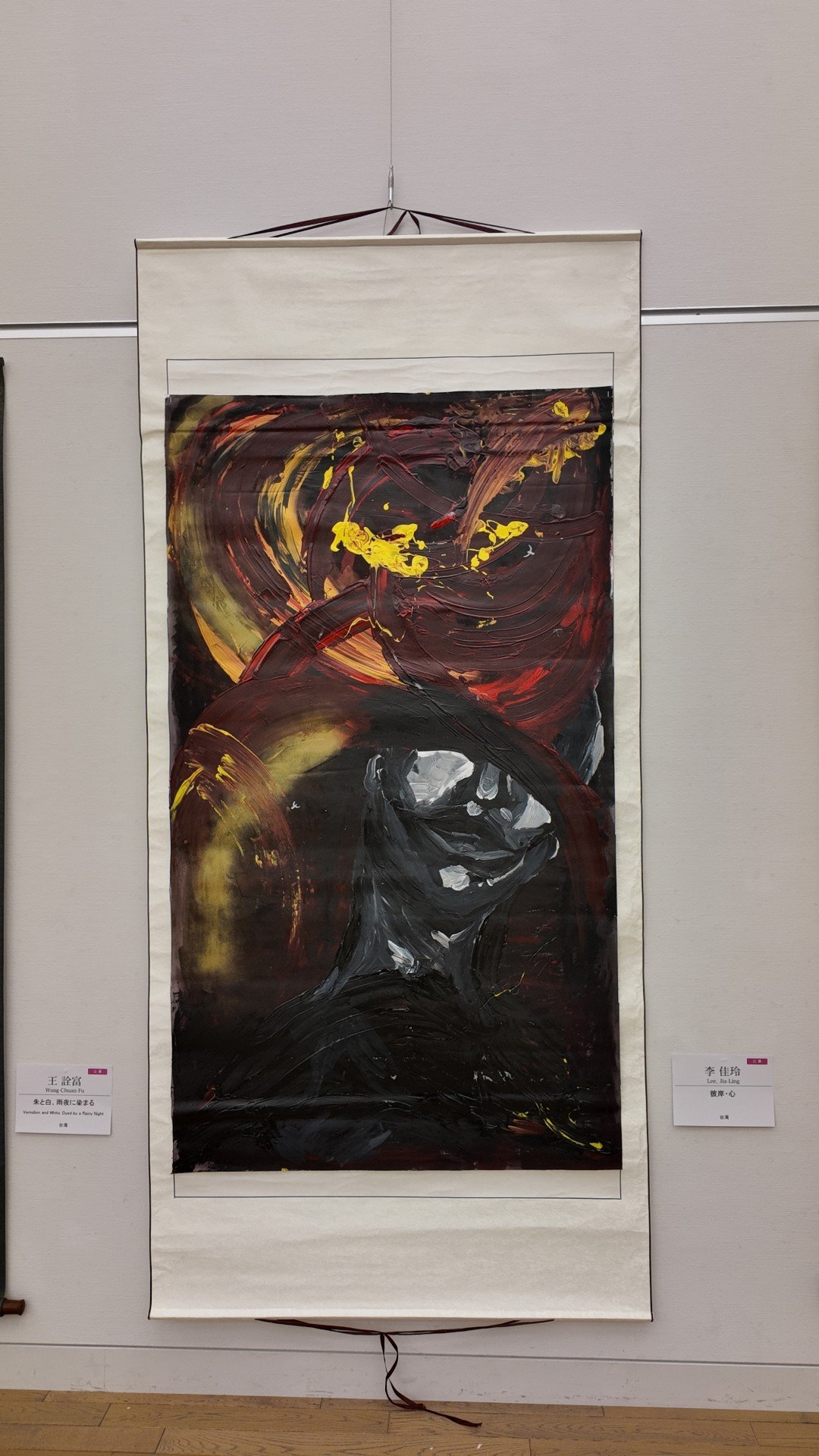
2026 年初春,亞洲藝術的最高權力場域——由建築大師 黑川紀章(Kisho Kurokawa) 設計的東京六本木 國立新美術館(The National Art Center, Tokyo, NACT),迎來了第 24 回 《NAU 21世紀美術連立展》。在這一集結全球前衛視角的盛會中,台灣藝術家 李佳玲(Lee, Jia-Ling) 的作品 《彼岸·心》(95x165cm),以其震撼的物質張力與純粹的本體論深度,成為學術界討論的核心。
這件作品不僅是顏料與畫布的物理結合,更是一場關於「存在(Being)」如何透過物質實踐而「顯現(Appearance)」的深刻實驗。在美術館充滿代謝派建築語彙的冷峻空間下,李佳玲透過壓克力媒材的層疊與擴張,確立了一種獨立於經驗世界之外的純粹美學座標。
西洋畫技法的當代解構:壓克力的「觀念物質主義」
李佳玲在《彼岸·心》中展現了對西洋繪畫技巧極其成熟的掌控,但她並非追求裝飾性的形式,而是將技術轉化為探究 「存在本質」 的工具。
1. 罩染(Glazing)與層疊的物理本體
在西洋畫史上,罩染(Glazing) 傳統上是用於模擬光線穿透物體的透明感。李佳玲將此一邏輯移植至壓克力媒介中。由於壓克力具備化學性質上的穩定性與極其迅速的乾燥特點,她在 165 公分的畫布上進行了數百次的 「薄塗(Thin Application)」。 這種技法創造了一種西洋畫追求的 「內在發光性(Luminosity)」。色彩不再僅僅停留在表面,而是透過無數半透明層次的物理堆疊,形成了一種具有厚度的視覺場域。觀者會感受到光線是從物質深處「湧現」而出的,這正是物質積累產生的本體質變。
2. 乾擦(Scumbling)與結構性張力
在色彩流動的邊界,李佳玲局部運用了 乾擦(Scumbling) 與碎裂的筆觸,增加了畫面的觸覺感。這種質地的對比——即透明層次的「虛」與乾筆堆疊的「實」——在畫面中形成了一種強大的 動態平衡(Dynamic Equilibrium)。這代表了藝術家對 「繪畫性(Painterliness)」 的極致追求,成功地讓畫布從二維平面轉化為具備物質重量的存在場域。
西方哲學維度的深度觀照:本體論與超越性
去除宗教語境後,《彼岸·心》實則是一場嚴密的西方哲學實踐,探討主體與世界、存在與虛無的辯證關係。
1. 康德式的「崇高美學(The Sublime)」
作品 165 公分的直向尺幅,直接觸及了 康德(Immanuel Kant) 在《判斷力批判》中所描述的「崇高感」。 「彼岸」在此被解讀為一種 「不可知性」 的視覺化,是人類意志在面對無限與絕對存在時的心理投射。畫中那些交織的、深不可測的暗調與突如其來、具有穿透力的亮部,共同構成了感官的震撼,引導觀者進入一種超越日常經驗的美學昇華。這並非關於我們如何認識世界,而是關於我們如何感受到自身與「絕對存在」之間的巨大張力。
2. 海德格的「澄明(Lichtung)」與存在的去蔽
在 海德格(Martin Heidegger) 的哲學中,真理是存在的顯現。李佳玲的創作過程本身即是一次 「去蔽(Unconcealment)」。 她透過層層顏料的覆蓋,實質上是在尋找那個讓光芒透出的 「澄明之地(Lichtung)」。畫布中央那些光感匯聚的區域,並非裝飾性的打光,而是藝術家在物質的迷霧中,強行開闢出的一處讓「存在」得以顯現的出口。這件作品在視覺上回答了「何謂本體」的提問——本體即是那穿透重重遮蔽而現出的絕對之光。
國際藝術評論:在國立新美術館建立美學主體性
作為入選第 24 回 NAU 展的代表性藝術家,李佳玲的作品在國立新美術館這一全球當代藝術試金石的場域中,展現了獨特的主體力量。
1. 空間拓撲與尺度學的應用
藝術評論界指出,《彼岸·心》的成功在於其對美術館空間的有效統治。165 公分的橫向長度,在視覺上構建了一個具備 「跨越性(Transcendence)」 的敘事邏輯。 在 NACT 巨型且理性的展廳空間中,這件作品利用色彩的飽和度對比與層次落差,有效地切斷了觀者對周圍建築環境的平庸聯想。這種尺度的運用,使得作品本身成為一個獨立的、自給自足的「微觀宇宙(Microcosm)」。
2. 跨越「形式」的物質威嚴
當代藝術常面臨形式主義的空洞化。藝評界給予李佳玲極高評價的原因在於,她賦予了色彩一種 「存在論的尊嚴」。 她不再依賴任何外部敘事(如符號或情節),而是純粹依靠西洋畫的物質性(壓克力的厚度、層次、透明度)來建構一個完整的精神場域。這代表了當代藝術中,藝術家如何重新奪回對「真實」的解釋權。她所描繪的「心」,不再是感性的煩惱,而是作為一個 「存在座標」,在物質的碰撞中尋求絕對的靜謐與跨越。
結論:意識的歸宿與存在的詩學
李佳玲(Lee, Jia-Ling) 的 《彼岸·心》 是一場關於存在的視覺長征。
她在壓克力媒材的層層磨瑩中,展現了人類意志如何透過藝術實踐,在有限的物質上追求無限的境地。這件作品在卓越的西洋畫技巧基礎上,嫁接了西方本體論哲學的深刻骨架。它向世界昭告:所謂「彼岸」,不在遙遠的時空另一頭,而在於當下這顆能觀照、能覺察、能不斷自我超越的「心」。
在東京國立新美術館展出的這一刻,李佳玲不僅是在展示繪畫,更是在建立一個堅實的思想場域。她以卓越的技法與深邃的思想,在國際藝壇中證明了:當代藝術最高的境界,是讓物質在思想的引領下,散發出絕對存在的純淨之光。
【關於藝術家】 李佳玲 (Lee, Jia-Ling)
- 藝術定位: 當代物質本體論藝術家。
- 主要媒材: 壓克力繪畫 (Acrylic on Canvas)。
- 學術成就: 作品《彼岸·心》入選第 24 回日本 NAU 21世紀美術連立展,於國立新美術館展出。其創作核心在於探究西方現象學中的光影去蔽與本體顯現,被國際藝評界譽為「存在之光的轉譯者」。
実在の光の物質的トポロジー:李佳玲(Lee, Jia-Ling)『彼岸・心』国立新美術館における存在論的実践
—— 165cmのアクリル巨作を解読する:西洋画の層状技法から存在哲学へ至る時空を超えた対話
企画・執筆 / 王 穆提(WANG MUTI)
2026年初春、アジア芸術の最高権威的な場である、建築家・黒川紀章設計の東京・六本木、国立新美術館(NACT)において「第24回 NAU 21世紀美術連立展」が開催された。世界中から前衛的な視点が集結するこの盛典の中で、台湾の家・李佳玲(Lee, Jia-Ling)の作品『彼岸・心』(95x165cm)は、圧倒的な物質的緊張感と純粋な存在論的深度により、学術的議論の核心となった。
本作は単なる顔料とキャンバスの物理的結合ではなく、「存在(Being)」がいかに物質的実践を通じて「顕現(Appearance)」するかを問う深遠な実験である。メタボリズム建築の語彙が息づく冷徹な空間において、李佳玲はアクリルというメディアの積層と拡張を通じて、経験世界を超越した純粋美学の座標を確立した。
西洋画技法の現代的解読:アクリルの「観念的物質主義」
李佳玲は本作において、極めて成熟した西洋画技法への習熟を見せている。しかし、それは装飾的な形式の追求ではなく、技法を「存在の本質」を探求するための道具へと転換させている。
- グレージング(Glazing)と積層の物理的本体
- 西洋画史上、グレージング(罩染)は伝統的に光が物体を透過する透明感を模倣するために用いられてきた。李佳玲はこの論理をアクリルというメディアへと移植した。アクリルの化学的安定性と速乾性を活かし、165cmのキャンバス上で数百回に及ぶ「薄塗り(Thin Application)」を繰り返した。この技法は、西洋画が追求してきた「内発的な発光性(Luminosity)」を創出する。色彩はもはや表面に留まるものではなく、無数の半透明な層が物理的に積み重なることで、厚みを持った視覚的場(Field)を形成する。鑑賞者は、光が物質の深淵から「湧出」してくるのを感じるだろう。これこそが、物質の蓄積が生み出した本体的な質的変化である。
- スカンブリング(Scumbling)と構造的緊張
- 色彩が流動する境界において、李佳玲は部分的にスカンブリング(乾擦)と断片的な筆致を駆使し、画面に触覚的な質感を加えている。透明な層による「虚」と、乾いた筆跡の重なりによる「実」という質感のコントラストは、画面の中に強力な「動的平衡(Dynamic Equilibrium)」を生み出す。これは家が「絵画的特質(Painterliness)」を極限まで追求した証であり、キャンバスを二次元の平面から、物質的な重みを備えた実在の場へと変容させることに成功している。
西洋哲学の視座による深化:存在論と超越性
『彼岸・心』は、主体と世界、実在と虚無の弁証法的関係を探求する、厳密な西洋哲学の実践である。
- カント的「崇高(The Sublime)」の美学
- 165cmに及ぶスケールは、カントが『判断力批判』で説いた「崇高の感情」に直接的に触れるものである。「彼岸」はここでは一種の「不可知性」の視覚化として解釈され、無限と絶対的実在に直面した際の人間意志の心理的投影となる。画面に交錯する深淵な暗部と、突如として現れる貫通力のある明部は、感覚的な衝撃を構成し、日常的な経験を超越した美学的昇華へと鑑賞者を導く。
- ハイデッガーの「澄明(Lichtung)」と存在の脱蔵
- マルティン・ハイデッガーの哲学において、真理とは実在の顕現である。李佳玲の創作プロセスそのものが、一つの「脱蔵(Unconcealment)」である。彼女は層をなす顔料の被覆を通じて、光が透けてくる「澄明の地(Lichtung)」を模索する。画面中央に集光する領域は、装飾的なライティングではなく、家が物質の霧の中で強引に切り拓いた、実在が顕現するための出口である。本作は「本体とは何か」という問いに対し、重なる遮蔽を突き抜けて現れる絶対的な光として視覚的に回答している。
結論:意識の帰趨と存在の詩学
李佳玲の『彼岸・心』は、実在を巡る視覚的な長征である。彼女はアクリルメディアを層状に磨き上げる中で、有限な物質を通じていかに無限を追求するかを提示した。本作は卓越した西洋画の技法を基礎としつつ、西洋存在論の深い骨格を融合させている。東京・国立新美術館で展示されたこの瞬間、李佳玲は単に絵画を展示したのではなく、堅固な思想の場を構築したのである。
Material Topology of the Light of Being: Lee Jia-Ling’s The Other Shore · Heart – An Ontological Practice at The National Art Center, Tokyo
— Deciphering a 165cm Acrylic Masterpiece: A Trans-temporal Dialogue from Western Layering Techniques to Existential Philosophy
Curated & Written by WANG MUTI
In the early spring of 2026, the 24th "NAU 21st Century Art Association Exhibition" was held at The National Art Center, Tokyo (NACT), an architectural landmark of Metabolism designed by Kisho Kurokawa. Within this sanctuary of avant-garde perspectives, Taiwanese artist Lee Jia-Ling’s work, The Other Shore · Heart (95x165cm), became a focal point of scholarly discussion due to its profound material tension and ontological depth.
This work is not merely a physical combination of pigment and canvas; it is a profound experiment on how "Being" manifests as "Appearance" through material practice. Amidst the cool, geometric language of the museum, Lee Jia-Ling establishes a pure aesthetic coordinate independent of empirical experience through the layering and expansion of acrylic media.
Contemporary Deconstruction of Western Techniques: "Conceptual Materialism" in Acrylics
In The Other Shore · Heart, Lee Jia-Ling demonstrates a highly mature mastery of Western painting techniques. However, her aim is not decorative form but rather the transformation of technique into a tool for investigating the "Essence of Being."
- Glazing and the Physical Ontology of Layering
- In the history of Western art, glazing has traditionally been used to simulate the transparency of light passing through objects. Lee Jia-Ling grafts this logic onto the medium of acrylics. Leveraging the chemical stability and rapid drying properties of acrylics, she applied hundreds of "Thin Applications" on the 165cm canvas. This technique creates a sense of "Internal Luminosity," a quality long sought in Western painting. Color no longer rests on the surface; instead, through the physical stacking of countless semi-transparent layers, it forms a visual field with tangible thickness. Viewers perceive light "emerging" from the depths of the matter—an ontological qualitative change brought about by material accumulation.
- Scumbling and Structural Tension
- At the boundaries of color flow, Lee partially utilizes scumbling and fragmented brushstrokes to add a tactile dimension to the surface. This contrast in texture—the "void" of transparent layers versus the "solid" of dry-brush stacking—creates a powerful "Dynamic Equilibrium." This represents the artist’s ultimate pursuit of "Painterliness," successfully transforming the canvas from a two-dimensional plane into a field of existence endowed with material weight.
Deep Observation through Western Philosophical Dimensions: Ontology and Transcendence
Removing religious context, The Other Shore · Heart is a rigorous practice of Western philosophy, exploring the dialectical relationship between the subject and the world, and being and nothingness.
- Kantian "Sublime" Aesthetics
- The vast 165cm scale of the work directly engages with the "Feeling of the Sublime" described by Immanuel Kant in the Critique of Judgment. "The Other Shore" is interpreted here as a visualization of the "Unknowable"—a psychological projection of the human will when confronted with infinity and absolute existence. The interplay of abyssal shadows and sudden, piercing highlights constitutes a sensory shock that guides the viewer toward an aesthetic sublimation beyond daily experience.
- Heidegger’s "Lichtung" and the Unconcealment of Being
- In Martin Heidegger’s philosophy, truth is the manifestation of Being. Lee Jia-Ling’s creative process is itself an act of "Unconcealment" (Aletheia). Through layers of pigment coverage, she searches for the "Lichtung" (The Clearing) through which light radiates. The concentrated luminous areas in the center are not decorative lighting but an exit for "Being" to manifest, forcibly carved out of the material mist by the artist. Visually, this work answers the question "What is the Ontological?"—it is the absolute light that reveals itself by penetrating layers of concealment.
Conclusion: The Destination of Consciousness and the Poetics of Being
Lee Jia-Ling’s The Other Shore · Heart is a visual odyssey concerning existence. Through the meticulous layering and refining of acrylic media, she demonstrates how the human will pursues the infinite within finite matter. Based on superlative Western techniques, this work grafts onto the profound skeletal structure of Western ontology. At this moment of exhibition at NACT, Lee Jia-Ling is not merely displaying a painting but establishing a solid field of thought. She proves that the highest realm of contemporary art is to let matter, guided by thought, radiate the pure light of absolute existence.
About the Artist: Lee Jia-Ling
- Artistic Positioning: Contemporary Material Ontological Artist.
- Primary Medium: Acrylic on Canvas.
- Academic Achievement: The Other Shore · Heart was selected for the 24th NAU Exhibition at NACT. Her work explores light, shadow, and the unconcealment of Being within Western phenomenology.